Blog Zscaler
Ricevi gli ultimi aggiornamenti dal blog di Zscaler nella tua casella di posta
When Cloud Services Fail, Security Is Still On The Clock

Introduction
Recent cloud service disruptions are a reminder that resilience is a critical part of security.
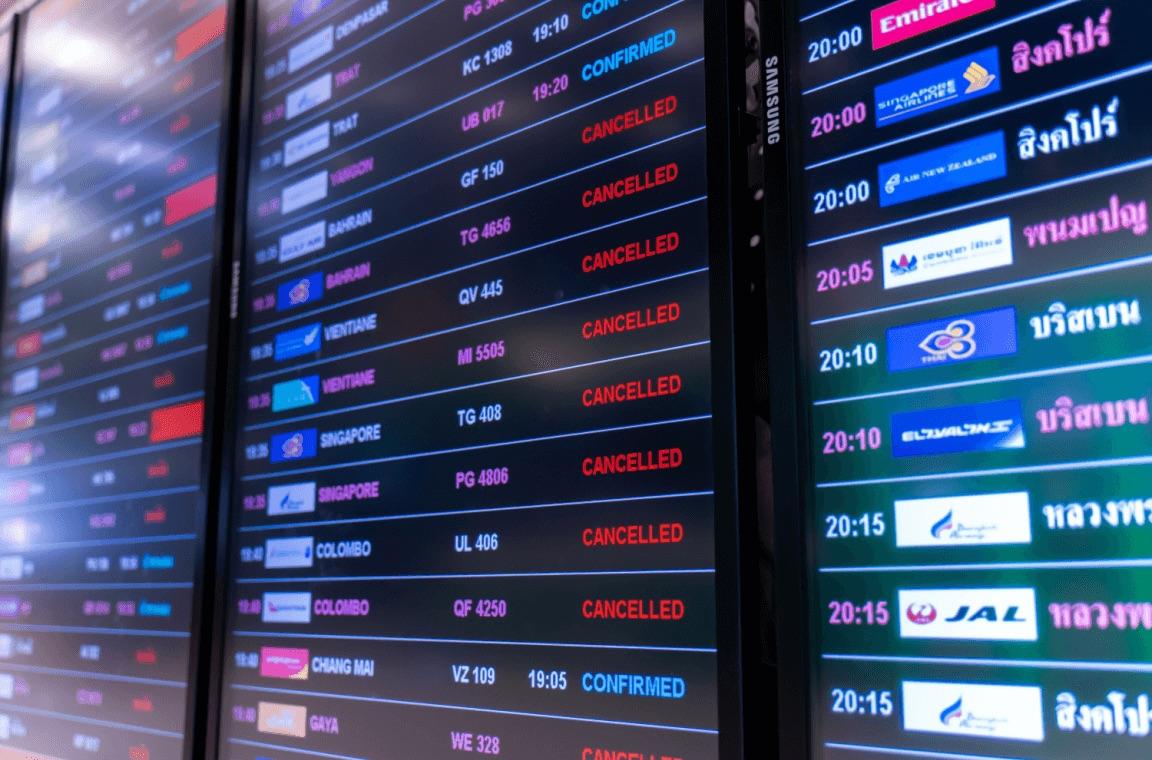
When organizations lose access to cloud services like email, collaboration apps, calendaring, and cloud productivity services, the impact is immediate and visible. Business slows down, teams lose coordination, and critical decision-making gets harder. Security teams also depend on these services to share alerts and coordinate decisions during an investigation. Incidents do not pause just because the tools used to manage them are unavailable.
Situation Overview
The Microsoft 365 outage disrupted Outlook and Exchange Online, with additional impacts to Teams, SharePoint, and OneDrive. Microsoft attributed the incident to a technical issue involving a network change during a capacity upgrade and said there was no evidence of malicious activity.
Security workflows were also affected. Microsoft reported disruptions to Defender for Office 365, access to Defender portal pages, and multiple Purview services. Affected capabilities included authorization, data loss prevention (DLP), information protection, role-based access control (RBAC), and data classification.
How Cloud Outages Disrupt Security Operations
When email goes down, most incident response teams lose their primary coordination channel. When chat follows, analysts have no reliable escalation path. These are communications problems, and they slow response. But there is a second, less visible problem: when security consoles or management planes share the same cloud dependency, defenders can also lose the ability to monitor risk, push policy, or approve containment actions. One problem slows you down. The other can weaken your defensive posture directly. In a major outage, organizations may face both at once. Both problems require separate planning.
Modern enterprises have built efficiency around a small set of integrated cloud services. That creates convenience and speed in normal conditions, but it can also create concentrated risk during an outage. A single provider disruption can affect not just employee productivity, but the communications backbone that security teams rely on to investigate alerts, coordinate response, notify executives, and manage customer impact.
Planning For Security Continuity
That is why incident response planning cannot assume primary tools will always be available. Organizations need documented business continuity and disaster recovery plans that are tested regularly for immediate activation when required. That includes predefined backup channels, alternate contact methods, offline access to key escalation trees, and clear rules for when teams should move from primary to contingency workflows.
This is also why security resilience cannot be treated as a narrow infrastructure or disaster recovery exercise. Business continuity plans need to account for how security teams will operate during degraded conditions, and security plans need to assume the loss of normal business tooling. If defenders cannot communicate, cannot reach key telemetry, or cannot execute urgent response steps, organizational risk rises immediately, even if the original incident was operational rather than adversarial.
Security programs are often measured by how well they prevent, detect, and respond to threats. They should also be measured by how well they continue to operate when the environment around them becomes unstable.
Recommendations
Business continuity plans must account for how security teams will operate under these conditions. Ultimately, resilience is not separate from security. It is a core part of it.
Key actions leaders should consider:
- Document a business continuity and disaster recovery plan: Define a business continuity and disaster recovery plan including communication channels for incident coordination, executive updates, and crisis response if primary email or messaging platforms fail. Establish clear rules for when teams should move from primary to contingency workflows.
- Define decision ownership as part of the plan: Pre-assign roles for response leadership, internal communications, customer communications, and escalation management during major service disruptions. Specify who declares the fallback mode, manages executive updates, coordinates with IT and infrastructure teams, and how customer-facing communications will be approved and delivered.
- Make critical response information available offline: Ensure contact lists, escalation paths, playbooks, and core procedures can be accessed without dependence on cloud productivity tools.
- Test degraded-mode operations: Run tabletop exercises that assume loss of email, chat, and shared collaboration platforms, as well as temporary loss of access to core security consoles or management workflows. Test how teams reach key telemetry, push policy, or approve containment actions under these conditions.
- Review concentration risk across providers: Identify where security operations rely too heavily on a single platform for communications, visibility, or administrative control. Account for shared cloud dependencies that could disrupt these functions at the same time.
Next Steps
Zscaler built the Zero Trust Exchange with this kind of resilience in mind. The platform's architecture decouples control, data, and logging planes so that a disruption in one does not cascade to the others. Dedicated business continuity sites, fully isolated from the main cloud, ensure customers stay protected even during large-scale failures. To learn more about how this works in practice, see our blog or join one of our upcoming webinars.

Questo post è stato utile?


Esclusione di responsabilità: questo articolo del blog è stato creato da Zscaler esclusivamente a scopo informativo ed è fornito "così com'è", senza alcuna garanzia circa l'accuratezza, la completezza o l'affidabilità dei contenuti. Zscaler declina ogni responsabilità per eventuali errori o omissioni, così come per le eventuali azioni intraprese sulla base delle informazioni fornite. Eventuali link a siti web o risorse di terze parti sono offerti unicamente per praticità, e Zscaler non è responsabile del relativo contenuto, né delle pratiche adottate. Tutti i contenuti sono soggetti a modifiche senza preavviso. Accedendo a questo blog, l'utente accetta le presenti condizioni e riconosce di essere l'unico responsabile della verifica e dell'uso delle informazioni secondo quanto appropriato per rispondere alle proprie esigenze.
Scopri altri blog di Zscaler
Mission-critical cloud: Is your provider prepared for the worst?

The role of zero trust and cloud resilience in business continuity

Zscaler Business Continuity in the Wake of Major IT and Security Outages
Ricevi gli ultimi aggiornamenti dal blog di Zscaler nella tua casella di posta

Inviando il modulo, si accetta la nostra Informativa sulla privacy.