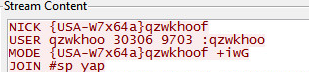
Bitcoin miners have given a new reason for attackers to communicate en mass with infected users. IRC worms are not exactly the most hip way to communicate, but they remain effective at sending and receiving commands. I recently came across several samples which bit coin mining examples leveraging IRC. The malicious binary, once installed, queries for the network shares connected to the victim's PC, drops a file, and creates an autorun.inf file to infect anyone unfortunate enough to use that same network share.
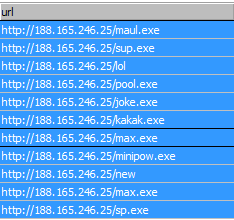
First, we see that the threat has many different variants at a single location
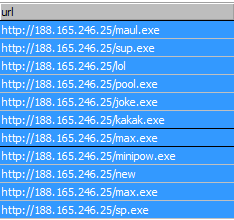 |
| A portion of the malicious content on this IP. |
This IP's urlquery report is also picking up some shady content on this IP. Unfortunately, the Virustotal score at the time of analysis was 1/52.
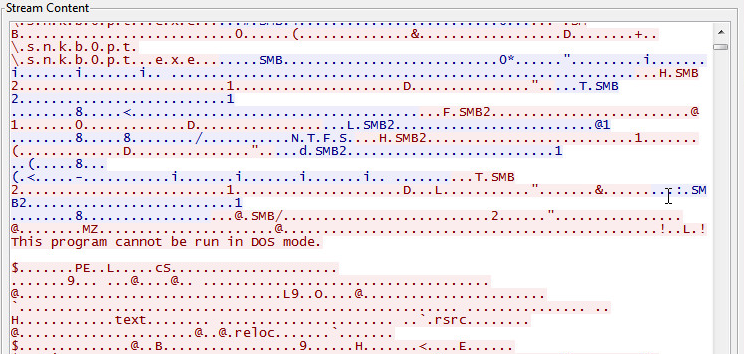
The first thing the threat does is install itself to any network shares on the victim's system.
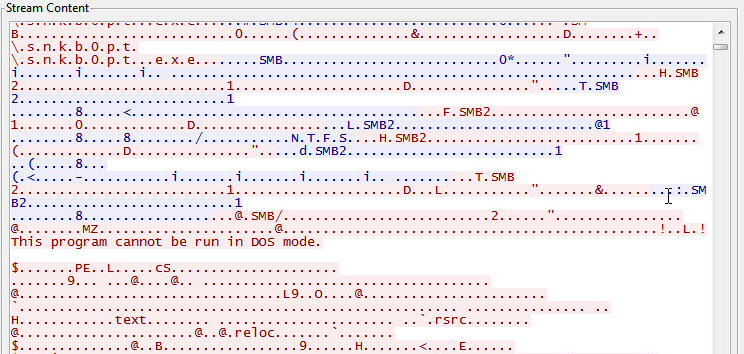 |
| The file 'snkb0pt.exe' is installed in 'netshare:/snkb0pt/' |
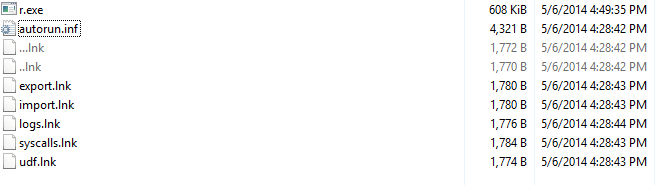 |
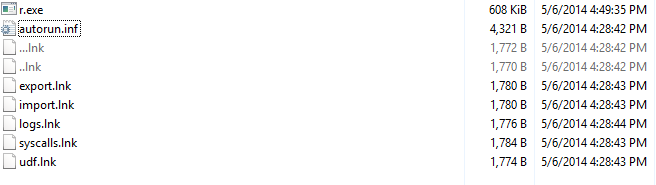
| It also installs an autorun.inf file among files used to store content retrieved from victims. |
Next, it installs itself as a service on the victim's PC to ensure that it can't easily be removed. Image File Execution Options are also created. This will ensure that the malware can install as the "debugger" for a frequently-run program (such as Explorer) and thereby inject itself into the execution sequence. Further explanation about this methodology seen
here.
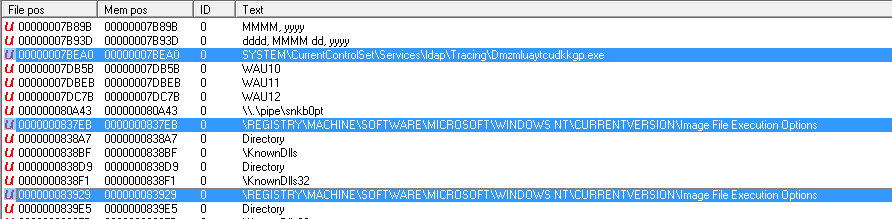 |
| A service is created along with edits to Image File Execution Options. |
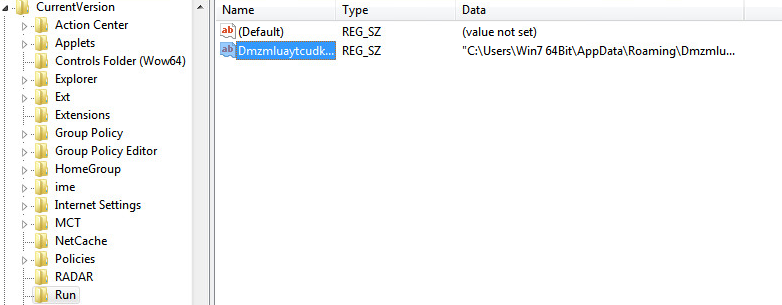 |
| Autorun additions are also created to establish itself at boot. |
The malicious network share file is clearly calling shell32.dll in order to exploit other systems connected to this network share through a created autorun.inf file.
 |
| The export file stored in the network share stores information about what systems are infected. |
There was not much IRC activity, but the framework exists to login to the attackers channel and receive commands for further action.
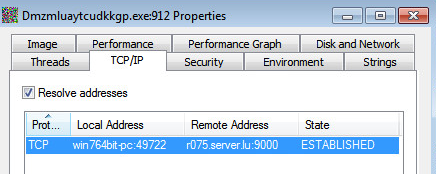 |
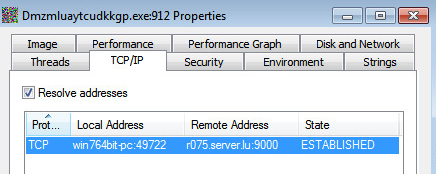
| Connection is established |
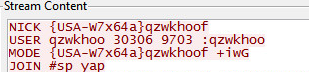 |
| First attempt |
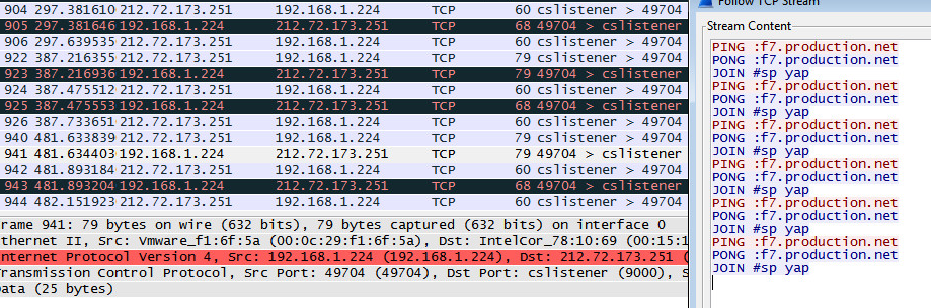 |
| A connection remains open, beaconing for further contact. |
I analyzed all available samples and compiled a list of phone home DNS requests made by all the variants.
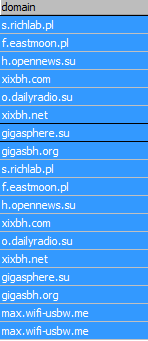 |
| Of all samples collected, these dns requests were made. |
Due to the high volume of variation in the samples, standard AV solutions only catch certain instances of the threat.
Sample 1
Sample 2
In the second instance, we see that some vendors have flagged the malware as a bitcoin miner. A sandbox analysis of the second sample has strings related to a Bitcoin Mining application known as
xptminer.
The implications are that this threat infects one user and anyone connecting to a malicious network share. Infected machines then begin communicating to a server which manages bitcoin mining operations.