/ Che cos'è la SD-WAN?
Che cos'è la SD-WAN?
La SD-WAN (Software-Defined Wide Area Network) è un approccio che consente di connettere sedi distribuite a livello globale instradando in modo intelligente il traffico sulla base di policy e analisi in tempo reale. Questo modello ottimizza la connettività WAN offrendo prestazioni più rapide per le applicazioni e una maggiore affidabilità. Di conseguenza, le organizzazioni possono ridurre i costi, rafforzare la sicurezza e semplificare le operazioni di rete, senza sacrificare l'agilità richiesta nell'attuale panorama IT in rapida evoluzione.
Come funziona una SD-WAN: l'architettura della SD-WAN
La tecnologia SD-WAN introduce un livello di astrazione tra l'infrastruttura fisica e i meccanismi di controllo che dirigono il traffico di rete. Questa separazione consente una gestione centralizzata delle policy, grazie alla quale gli amministratori possono implementare rapidamente le modifiche alle configurazioni in tutte le sedi. In questo modo, la SD-WAN offre alle organizzazioni una maggiore flessibilità nell'instradare il traffico attraverso diverse opzioni di trasporto, come banda larga, 4G/5G o circuiti di commutazione di etichette multiprotocollo (Multiprotocol Label Switching, MPLS) in base alle esigenze specifiche dell'applicazione. Il risultato è una WAN dinamica e conveniente che bilancia le priorità in termini di prestazioni con gli aspetti essenziali della sicurezza.
Per comprendere più a fondo il funzionamento della SD-WAN, è utile immaginare che ogni sede, ad esempio una filiale, sia connessa tramite tunnel virtuali supervisionati da un controller centralizzato. Il controller monitora i flussi di traffico in tempo reale e decide qual è il percorso migliore per quel tipo di traffico. In questo metodo, l'MPLS non è più l'unico mezzo di trasporto per i dati critici; quando si tratta di applicazioni che richiedono elevate prestazioni o workload variabili, esistono altri collegamenti che sono ugualmente validi per preservare o addirittura migliorare la resilienza della rete.
I componenti principali della SD-WAN
Ecco i cinque elementi principali alla base di un'architettura SD-WAN completa:
- Orchestratore centralizzato: gestisce le policy e garantisce una configurazione coerente in tutti le sedi.
- Dispositivi sicuri all'edge: risiedono in ogni sede per stabilire tunnel cifrati e applicare policy locali.
- Routing sensibile alle applicazioni: indirizza i pacchetti di dati in modo intelligente in base al tipo di applicazione, alle condizioni della rete e alle policy che sono state stabilite.
- Analisi e report: forniscono informazioni approfondite sulle prestazioni della rete e sul profilo di sicurezza, aiutando a perfezionare le decisioni future.
- Gateway cloud: estendono i vantaggi della SD-WAN alle risorse con base cloud, ottimizzando le prestazioni delle applicazioni SaaS e IaaS.
Quali sono i vantaggi della SD-WAN?
La SD-WAN consente alle organizzazioni di trasformare la propria infrastruttura di rete per ottenere prestazioni più fluide e una maggiore efficienza dei costi. Ecco cinque vantaggi che evidenziano l'impatto positivo offerto dall'adozione di una soluzione SD-WAN:
- Miglioramento dell'esperienza con le applicazioni: assegna la priorità alle app critiche in modo che funzionino senza problemi anche nei periodi di utilizzo maggiore.
- Costi operativi inferiori: offre una maggiore flessibilità nei collegamenti a banda larga e riduce la dipendenza da costose connessioni MPLS.
- Maggiore agilità e scalabilità: consente di distribuire nuovi sedi o apportare modifiche rapidamente tramite il provisioning centralizzato.
- Miglioramento del profilo di sicurezza: cifra i dati end-to-end e si integra in modo ottimale con i servizi di sicurezza avanzati.
- Ottimizzazione delle operazioni di rete: semplifica la gestione tramite un'interfaccia consolidata automatizzando al contempo le attività di routine.
Cosa sono le soluzioni SD-WAN?
Le implementazioni della SD-WAN possono variare considerevolmente per adattarsi alle diverse esigenze dell'organizzazione e agli investimenti infrastrutturali esistenti. Questi modelli di distribuzione offrono vantaggi distintivi che si allineano alle priorità aziendali specifiche, ai requisiti tecnici e alle preferenze operative:
- SD-WAN basata su apparecchi fisici: utilizza dispositivi hardware dedicati installati in ogni sede per garantire prestazioni costanti e funzionalità complete di elaborazione on-premise.
- SD-WAN distribuita sul cloud: sposta il piano di controllo e molte funzionalità di rete su un'infrastruttura con base cloud, eliminando la necessità di ricorrere ad apparecchiature on-premise, consentendo la distribuzione rapida e offrendo una scalabilità ottimale.
- SD-WAN ibrida: combina elementi di entrambi gli approcci (modello basato su apparecchi fisici e modello distribuito sul cloud) per creare un'architettura flessibile che sfrutta i punti di forza di ciascun metodo di distribuzione. Le aziende traggono vantaggio dall'affidabilità delle apparecchiature on-premise in posizioni critiche ma utilizzando al contempo servizi cloud per le sedi più piccole o le connessioni temporanee, creando una soluzione bilanciata in grado di adattarsi a esigenze aziendali in continua evoluzione.
5 casi d'uso chiave della SD-WAN
La SD-WAN si è evoluta in una soluzione diffusa che affronta diverse sfide. Ecco cinque scenari in cui la SD-WAN eccelle:
- Catene di vendita al dettaglio: consente di configurare o trasformare rapidamente le connessioni di rete per nuove sedi di negozi, garantendo prestazioni costanti e servizi di pagamento sicuri.
- Aziende globali: permette di standardizzare l'architettura WAN a livello intercontinentale, riducendo la latenza e migliorando la collaborazione tra team dislocati in diverse aree geografiche.
- Organizzazioni sanitarie: consente di proteggere i dati sensibili dei pazienti, offrendo al contempo un accesso rapido alle piattaforme di telemedicina e alle cartelle cliniche sul cloud.
- Istituti finanziari: permette di supportare le transazioni in tempo reale e ridurre i tempi di inattività grazie a un routing intelligente del traffico e una ridondanza automatizzata.
- Impianti produttivi: consente di mantenere online i sistemi di gestione della catena di approvvigionamento, anche quando un collegamento si guasta, evitando così costose interruzioni della produzione.
Elementi da considerare quando si sceglie un fornitore di soluzioni SD-WAN
Trovare il partner giusto per la propria soluzione SD-WAN è tanto importante quanto conoscere approfonditamente la tecnologia stessa. Ecco cinque fattori da valutare prima di prendere una decisione:
- Integrazione della sicurezza: assicurati che il provider offra funzionalità affidabili di crittografia, rilevamento delle minacce e gestione della conformità.
- Idoneità al cloud: ricerca un'architettura che si estenda in modo ottimale agli ambienti cloud pubblici e privati.
- Scalabilità e flessibilità: verifica che il fornitore sia in grado di adattarsi all'espansione e alla diversificazione delle esigenze IT dell'azienda.
- Gestione e visibilità: privilegia le soluzioni che offrono interfacce intuitive e analisi avanzate per monitorare facilmente il traffico di rete.
- Supporto e competenze: valuta i modelli di assistenza clienti e le competenze tecniche per assicurare un successo duraturo.
SD-WAN e zero trust
La filosofia di progettazione della SD-WAN si allinea naturalmente ai principi dello zero trust, che enfatizzano l'accesso sensibile al contesto e la convalida continua, anziché l'attendibilità implicita ed estesa. Invece di indirizzare tutto il traffico dati verso un singolo percorso con privilegi, una soluzione SD-WAN connette in modo sicuro utenti e dispositivi alle risorse in base all'identità e alle policy. Per le filiali, questo approccio consente di modernizzare la connettività, riducendo al contempo la dipendenza dalle difese perimetrali legacy.
Se abbinate allo zero trust, le soluzioni SD-WAN rafforzano la sicurezza delle filiali, in quanto vagliano ogni tentativo di connessione, indipendentemente dal fatto che provenga da una filiale o da un utente in roaming dall'altra parte del mondo. L'applicazione del modello zero trust negli ambienti delle filiali garantisce che i dipendenti da remoto e i dispositivi IoT siano protetti con gli stessi rigorosi standard previsti per la sede centrale, senza compromettere le prestazioni o l'agilità.
L'architettura zero trust migliora la capacità della SD-WAN di rilevare e isolare le minacce in modo dinamico. Grazie ai controlli granulari dell'accesso, la rete viene segmentata in base al contesto correlato all'utente, al profilo di sicurezza del dispositivo o alla posizione della filiale, mitigando così numerose minacce informatiche. I team IT acquisiscono chiarezza sul modo in cui la SD-WAN instrada il traffico, consentendo possibili aggiustamenti in tempo reale in caso di anomalie. Insieme, SD-WAN e zero trust forniscono una soluzione scalabile e sicura per le aziende moderne che gestiscono operazioni complesse e distribuite.
Il ruolo della sicurezza Zero Trust nella sicurezza aziendale.
La SD-WAN zero trust di Zscaler
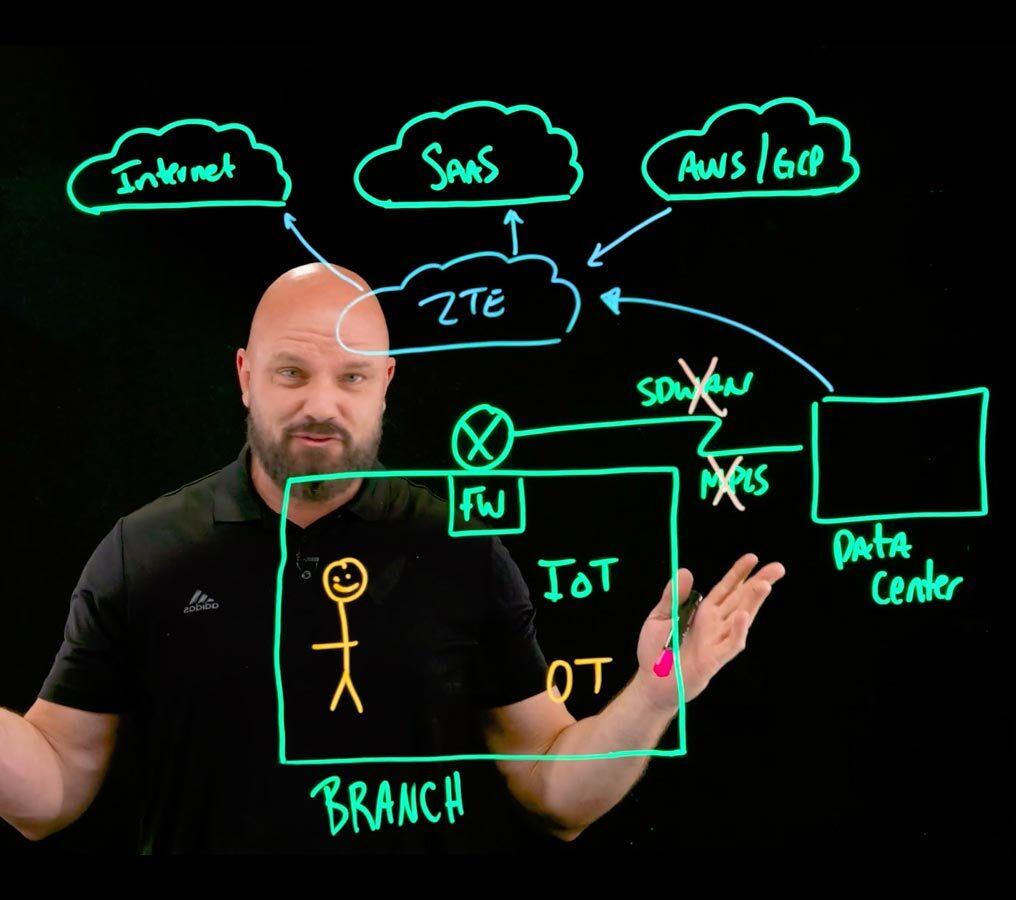
Zscaler Zero Trust SD-WAN connette in modo sicuro filiali, data center e ambienti cloud, eliminando al contempo le vulnerabilità insite nelle reti tradizionali. A differenza degli approcci SD-WAN convenzionali, che estendono la rete ovunque (consentendo potenzialmente la diffusione di ransomware), la soluzione di Zscaler crea filiali segmentate, in cui il traffico viene inoltrato in modo sicuro alla piattaforma Zscaler tramite una qualsiasi connessione a banda larga. Ciò elimina la necessità di ricorrere alle VPN e al routing di overlay complessi, impedendo al contempo il movimento laterale delle minacce.
- Rafforzamento della sicurezza: impedisce il movimento laterale delle minacce, fornendo un accesso diretto alle applicazioni anziché alla rete ed eliminando la superficie di attacco aperta dell'architettura VPN site-to-site.
- Architettura semplificata: elimina la necessità di ricorrere a firewall est-ovest, VPN e proxy e le inutili complessità nel routing, riducendo i costi operativi e le spese generali di gestione.
- Miglioramento delle prestazioni: sostituisce le complesse VPN site-to-site con un'architettura diretta al cloud che migliora le prestazioni delle applicazioni, il flusso del traffico e l'esperienza utente.
- Distribuzione più rapida: consente una distribuzione rapida delle filiali attraverso il provisioning zero-touch e modelli predefiniti e supporta l'integrazione in caso di fusioni e acquisizioni consentendo alle filiali di connettersi rapidamente attraverso ambienti IT diversi.
Richiedi una dimostrazione per scoprire il modo in cui Zscaler Zero Trust SD-WAN può aiutarti a eliminare il movimento laterale ed estendere lo zero trust a utenti, dispositivi e server, ovunque.
Risorse suggerite
Domande frequenti
Sebbene la SD-WAN sia progettata per filiali e sedi fisiche, alcune soluzioni offrono opzioni di accesso remoto sicuro, garantendo la coerenza delle policy e una connettività affidabile ai dipendenti, al di là delle reti aziendali tradizionali.
Sì, la SD-WAN utilizza il routing basato sulle applicazioni e la qualità del servizio (QoS) per rilevare, stabilire le priorità e ottimizzare il traffico critico, come quello video o VoIP, per garantire una migliore qualità delle chiamate e meno interruzioni.
La SD-WAN fornisce visibilità e analisi granulari, consentendo ai team IT di identificare rapidamente i problemi prestazionali o i colli di bottiglia. Questo permette di accelerare la risoluzione dei problemi e riduce il tempo medio di risoluzione delle problematiche di rete.